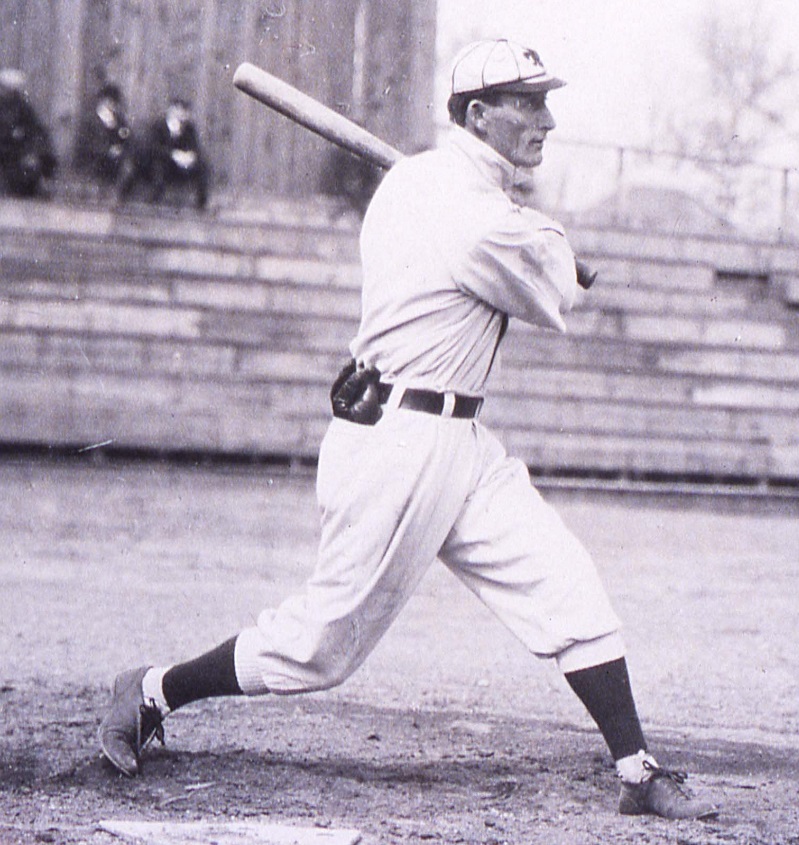
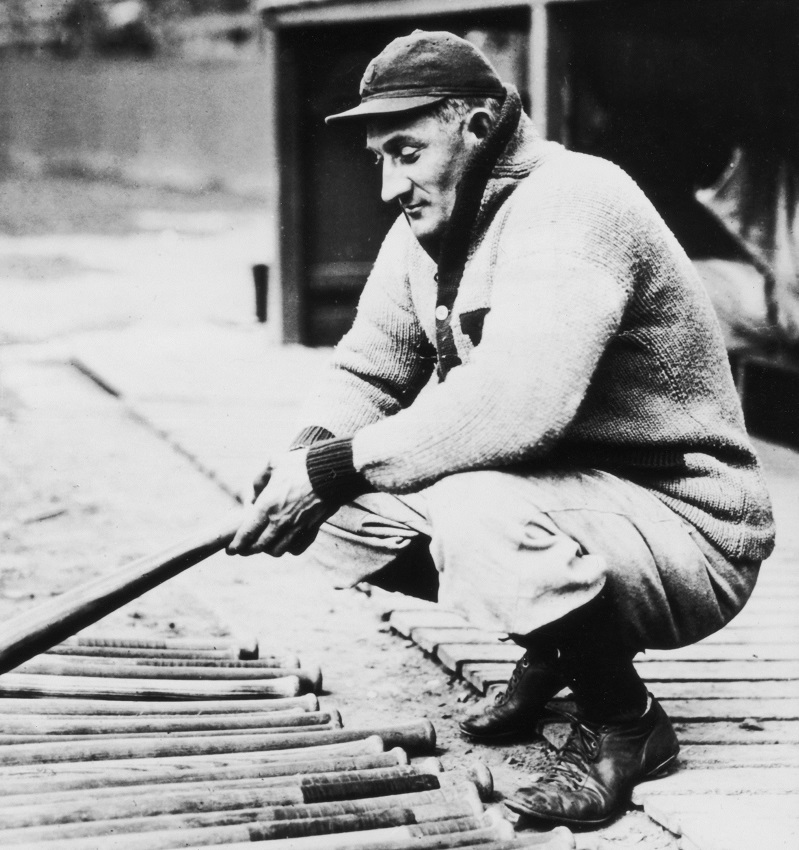
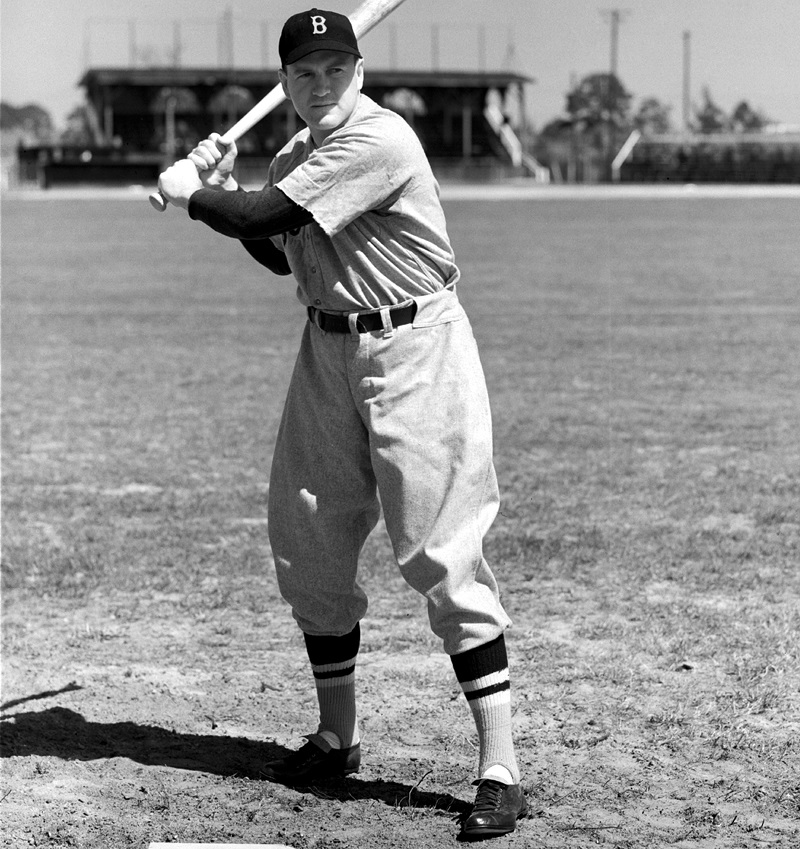
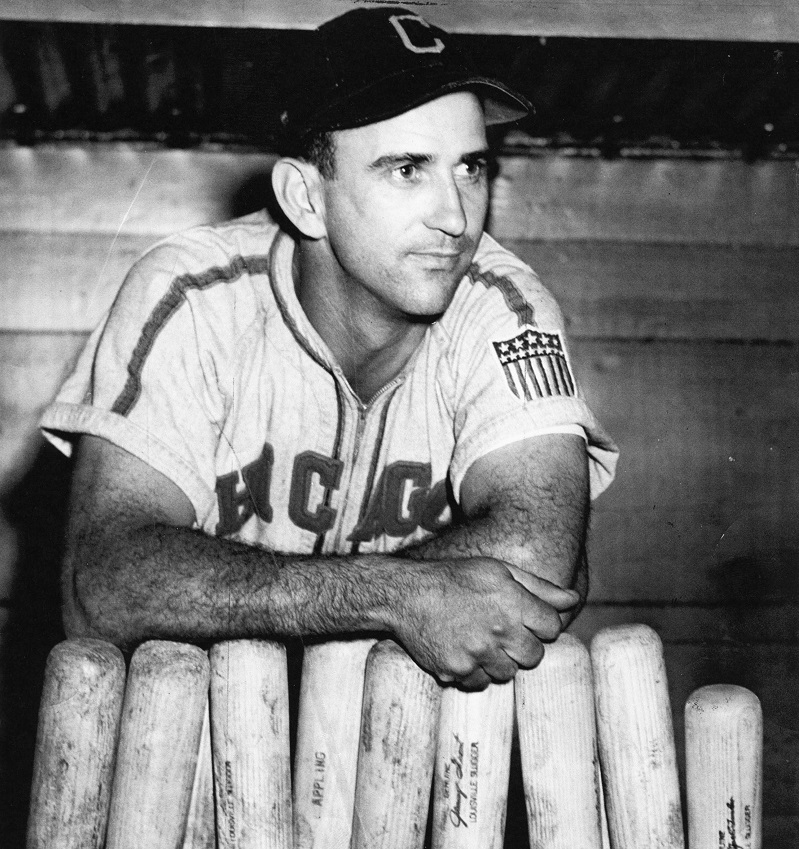
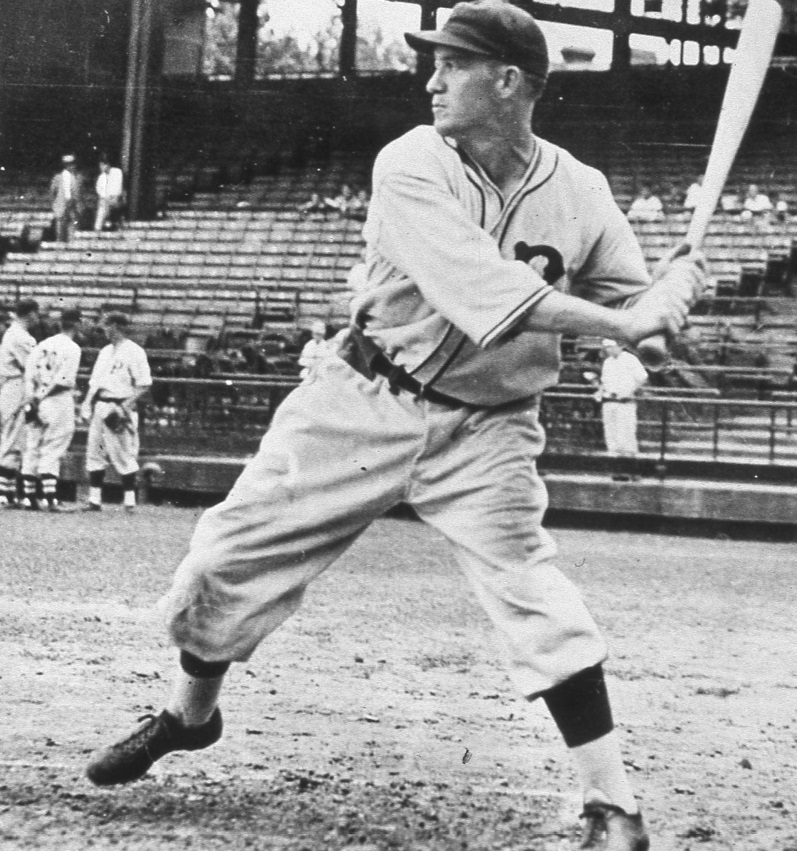
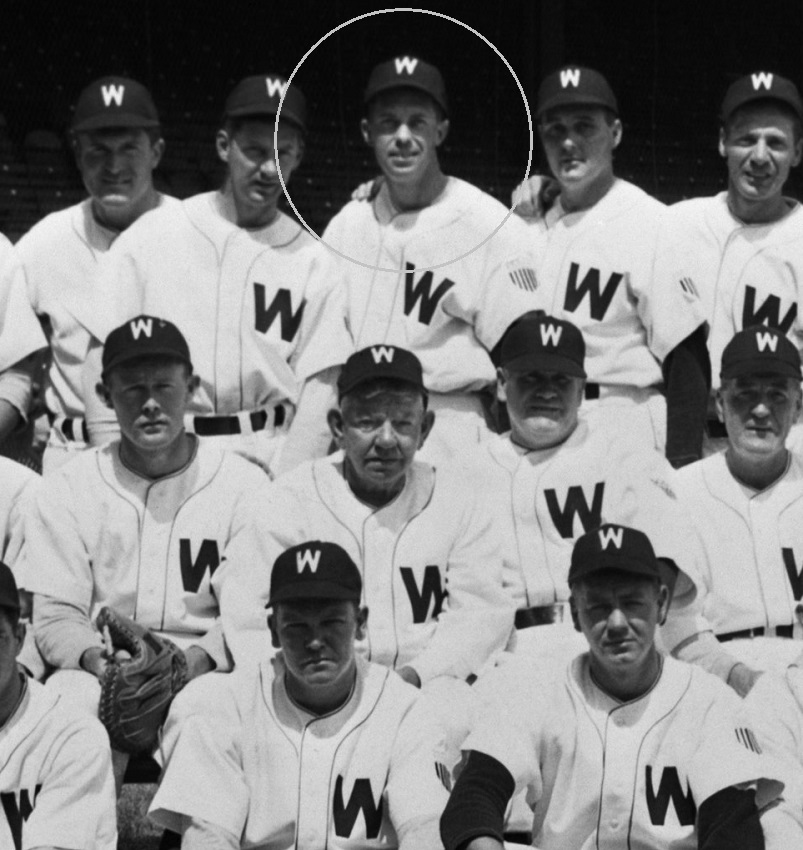
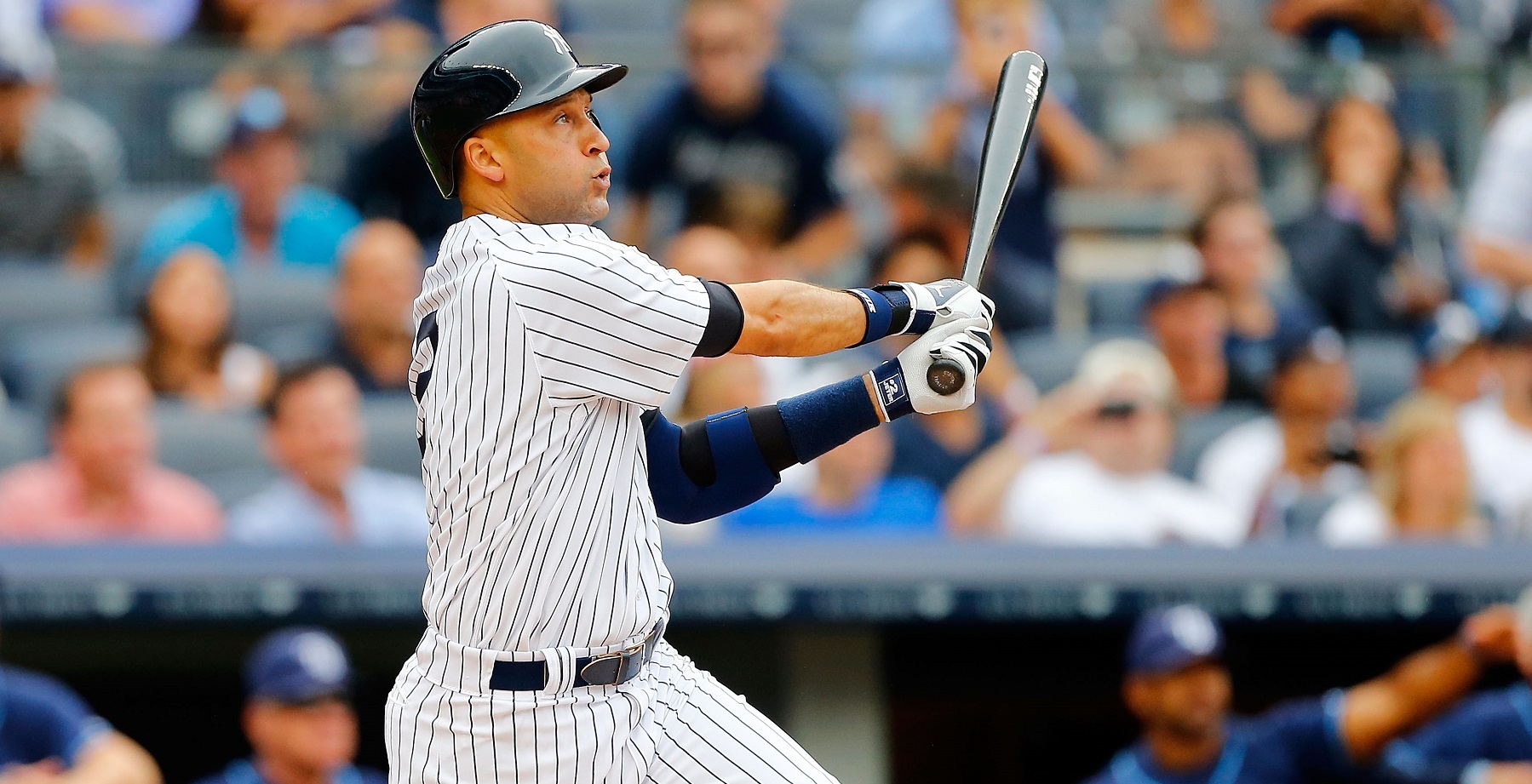
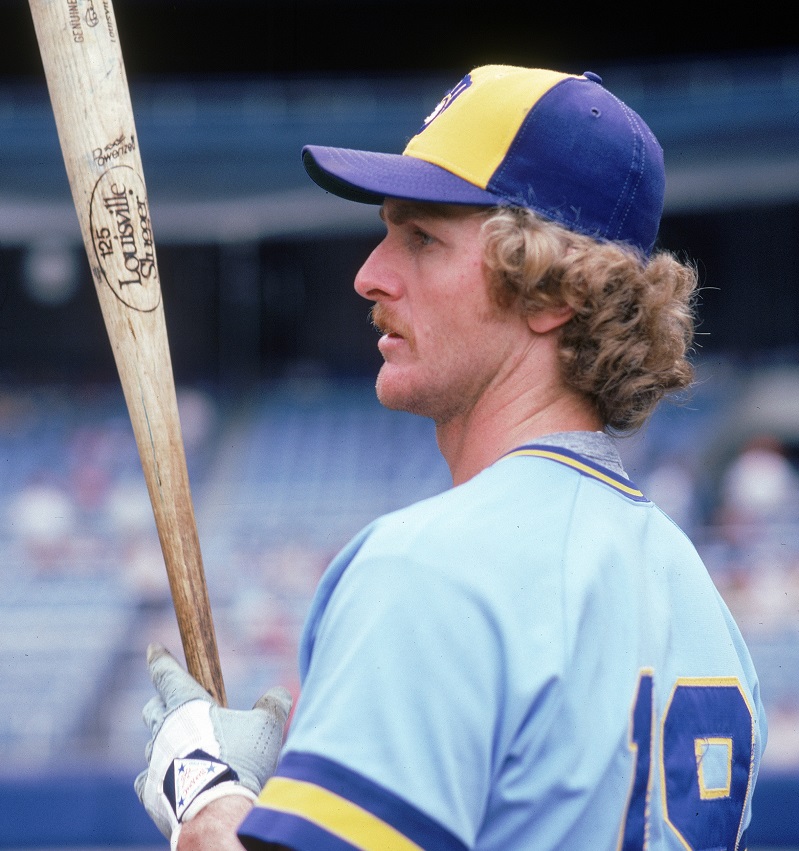
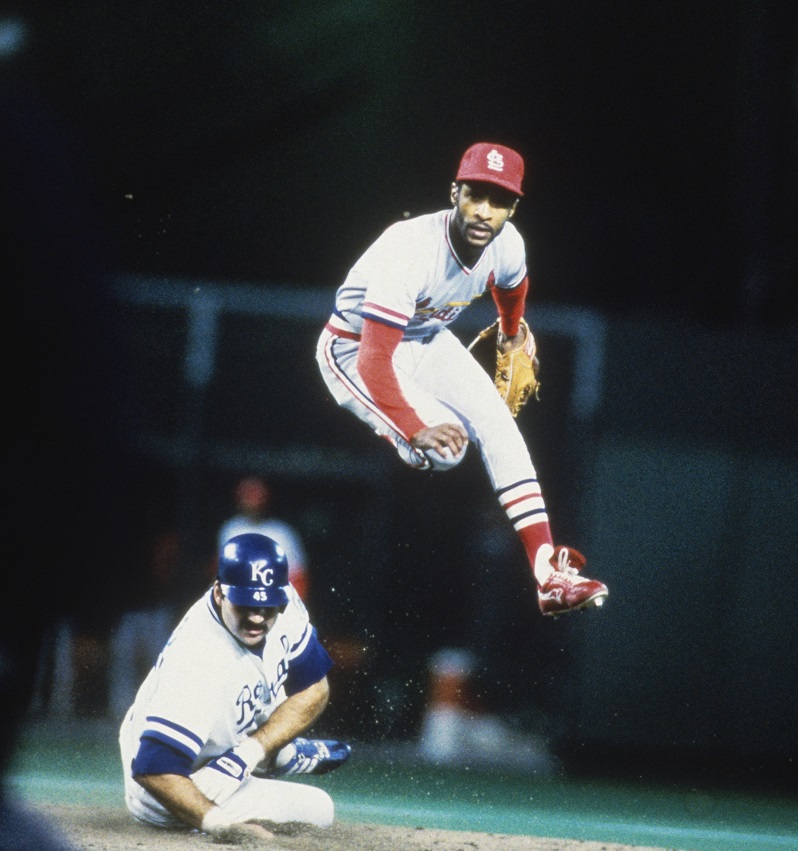
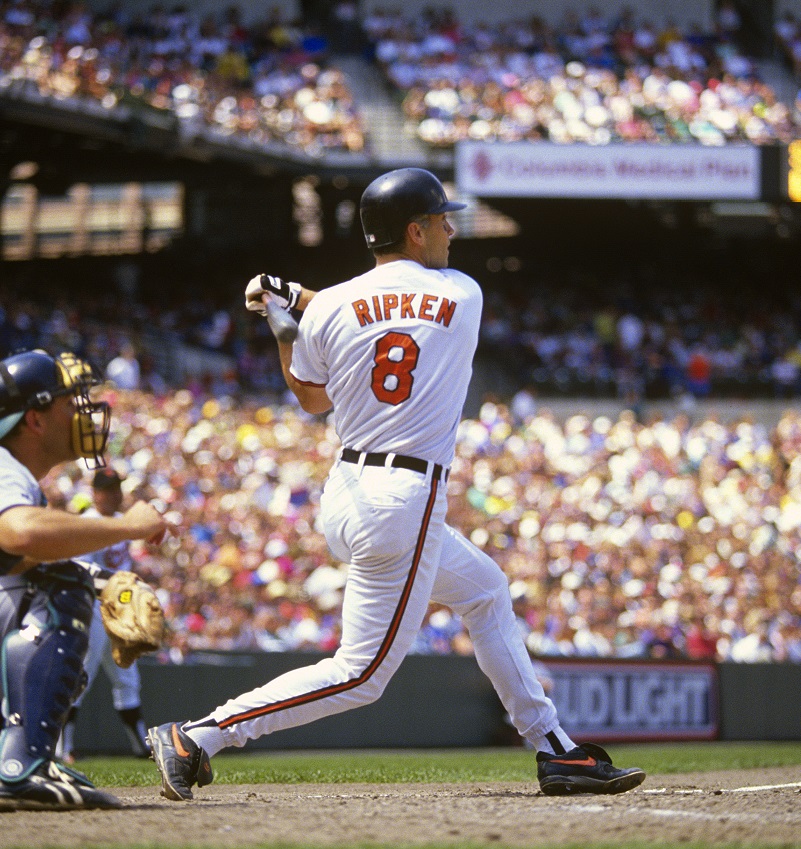
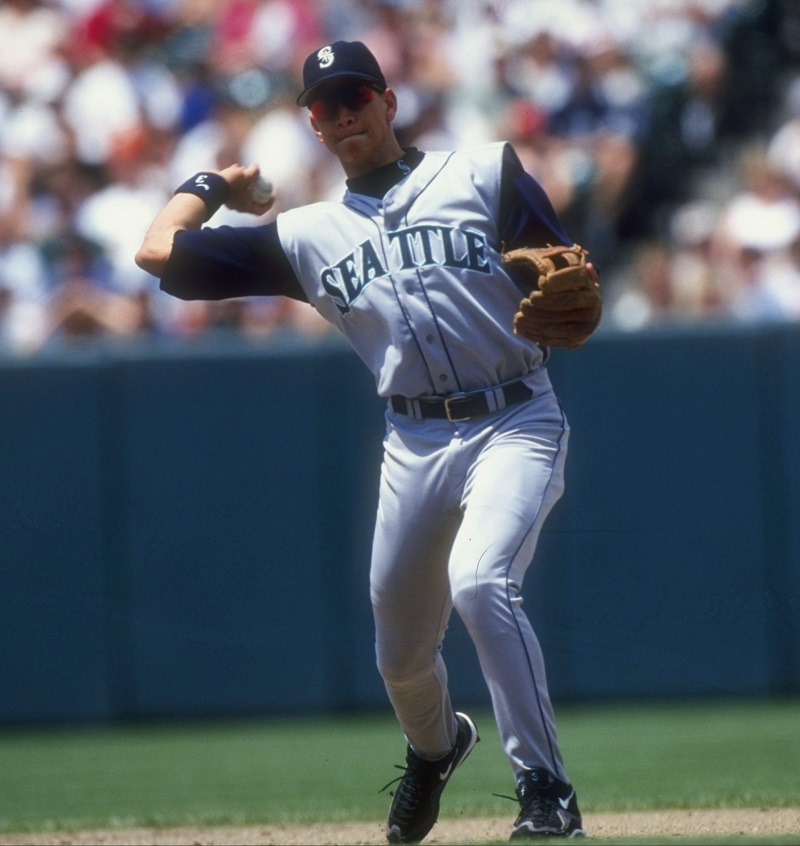
To borrow from Kurt Vonnegut, Derek Jeter has come unstuck in time. Now that his retirement is one likely indifferent season away, we can stop worrying about what he is -- a consideration that usually involves trying to weigh his offense against his defense -- and start focusing on what he was. With nearly the whole career in the books, we can try to see where he ranks among the great shortstops in history.
Note the tacit admittance to the club of greats. The argument isn't, or shouldn't be, whether Jeter was one of the greatest ever to play the position; he was. He was not a perfect player, but nor were any of the shortstops we will encounter as we follow Jeter through a series of head-to-head encounters with the Hall of Famers and other standouts (sorry to say that's not always the same thing; apologies, Alan Trammell) who preceded him.
The question we'll attempt to get at here is, given a choice between Jeter and some other, equally or almost equally talented player, would you take him or the other guy? Some might look solely to advanced statistics such as wins above replacement to make that determination for them, but numbers only tell some of the story. We have to know who these shortstops were and the state of the game they played to make determinations across time and rescue Jeter from the inchoate realm of "great" and place him with specificity.
It should be taken for granted that these are all extraordinary players, and in abstract no team of their day would have gone wrong listing them in the lineup. However, the arrow of quality, of greater professionalization, embodying training, nutrition and conditioning, only points in one direction.