The San Antonio Spurs, and more specifically, Gregg Popovich, utilize a deeper rotation than any other team in the NBA; it's all been part of the coach's plan to extend the careers of his superstars, but it also means there are fewer minutes available to jack up All-Star level statistics. Tony Parker's box scores may not always compare favorably to many of the point guards around him in the league -- even the ones who didn't get an invite to New Orleans -- but most coaches who have to game plan against him say he's a shoo-in.
NBA All-Star Game 2014: Tony Parker’s numbers don’t reflect his impact
The point guard’s numbers have been down, but opposing coaches know who runs the Spurs’ offensive attack.

Jerome Miron-USA TODAY Sports
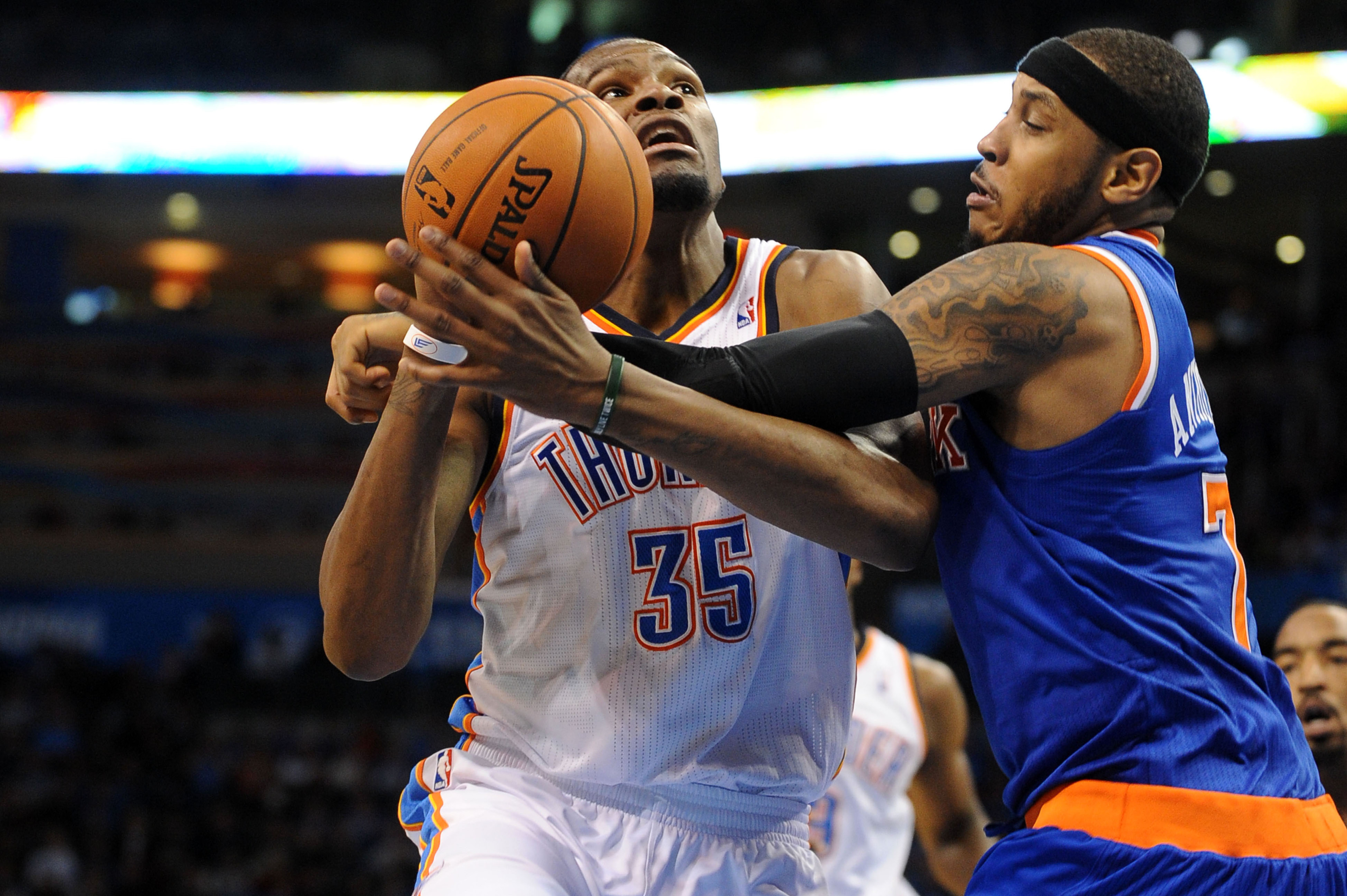
San Antonio currently sits second in the Western Conference, and with all the injuries the team has been dealing with, Parker has been as crucial as ever for one of the league’s best offenses despite his decreased statistical totals. The Spurs’ point guard is contributing 17.7 points on 50 percent shooting and 6.2 assists in less than 31 minutes per game. It is several points fewer than what he averaged during last season, when he had arguably never been better. But San Antonio’s offensive attack and pick-and-roll scheme are both initiated by everything he does.
But given the Spurs’ depth, the numbers don’t necessarily reflect that either. They haven’t exactly needed Parker to be at his best this season to keep pace with the rest of the conference, even though they’ve run into issues against the best teams in the league. San Antonio’s record against the rest of the NBA’s elite has been well-documented, even before the current rash of injuries took hold in early January.
Prior to the season it was predictable that Parker’s output might be turned down a notch, if only for the fact that he’d be playing less. The point guard suffered a partially torn hamstring during the Finals, then once it was healed he led the French National Team to a EuroBasket championship without much time left over to get any rest before training camp. Parker has hardly stopped playing basketball at any point in the last 18 months, and it’s shown at times this season.
His legs are bruised and beaten and his back has become a problem. Parker has already clarified he wants to let the rest of the Western Conference’s young point guards take the reins in the All-Star Game, and as of Tuesday afternoon, he’d been sent home from the front end of the team’s Rodeo Road Trip to get rest. He’s hardly played over the last three games, if at all, and he even underwent an MRI to check for the possibility of a sports hernia -- it came back negative.
So, in retrospect, it’s pretty amazing Parker’s numbers are what they’ve been. He’s still been the Spurs’ engine, and all the coaches know that all too well. Besides, the Spurs in January and early February aren’t what they will be once the postseason rolls around — that is, if Parker and the rest of the Big Three are healthy and San Antonio finds a way to stay near the top of the West. You wouldn’t think so, at least.
And the rest of the league understands the way the Spurs operate. Opposing coaches don’t take the Spurs’ regular-season results on a nightly basis at face value, because they know what they’ve been underneath all that. It’s Parker that scares them, and they know the Spurs don’t boast the fourth-best record in the league at this point without him.
While guys like Goran Dragic and Mike Conley have put up great numbers and impressively led their teams to where they are today under difficult circumstances, Parker is still considered to be in that handful of elite point guards. This isn't some sort of lifetime achievement award; it's deserved recognition for what he's done and what he continues to do, and it's a result of the respect opposing teams still have for the point guard on a nightly basis.
More from SB Nation NBA:
See More:


