As long as the NCAA is predicated on preserving amateurism, it will never have a functional enforcement arm. It says that it’s going to clean up its enforcement department, but that’s a lie. Sure, the names will change, but the bullshit will remain the same.
Why firing Mark Emmert would not be enough to fix the NCAA
The NCAA says that it will implement reforms in the wake of its bungling of the Miami scandal. But an actual lawyer explains why why the enforcement arm (and amateurism) should be scrapped altogether.

Brian Spurlock-US PRESSWIRE
NCAA investigators don’t have a lot of legal power, so they’re forced to find information through extralegal means. As I noted in my explanation of why the Miami scandal is the NCAA’s worst deed yet, the NCAA doesn’t have subpoena power. That’s good, because as I noted, its rules should not carry the force of law. The problem with that this lack of power is that investigators will always be tempted to push the limits of what they can do. Investigators are a naturally zealous bunch, and that sometimes leads to ignoring the advice of counsel.
If the NCAA were enforcing rules that didn’t require a lot of investigation, then this lack of power would not be a problem. But as long as college sports remain a big time moneymaker with rich guys who want to circumvent the rulebook to see their teams win, said rich guys will find ways to try to outfox the rules. Unless we want to give the NCAA subpoena power (we really don’t) then this will always be a losing battle. The NCAA will never have the ability or the resources to catch up to people breaking its rules.
And we’ve already seen how this need to cut corners breeds NCAA misconduct. Sure you could just look at what it’sdone in the past 12 months. It decided to punish a player for violations no matter what it found in its investigation. A judge called it malicious when ruling on a defamation suit from a former USC assistant. It gave Penn State the harshest penalties since SMU 25 years ago, even though nobody really knows which NCAA rules the Nittany Lions broke. Again, that’s only in the past year.
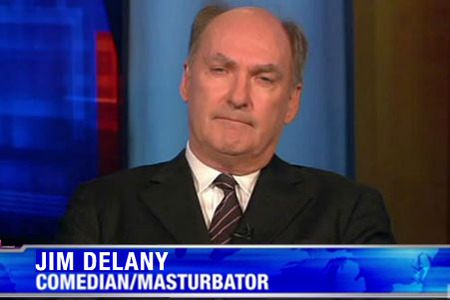
It’s tempting to blame the NCAA’s current problems on president Mark Emmert, but they long predate him. Investigators have always been a problem with the NCAA. Take a look at this excerpt from the Congressional Record in 1978 that Sports by Brooks uncovered. Congress found out that a recruit bought off then-NCAA investigator Jim Delany (yes, THAT Jim Delany) by giving him a date with one of his friends. Delany then told the Ole Miss football coach that he wouldn’t report his findings because the recruit had dirt on him.
Flash forward 35 years and NCAA investigators don’t look much different. Ameen Najjar broke the law by paying Nevin Shapiro’s lawyer, used a burner phone to contact Shapiro in prison and even deposited money into his prison commissary account. At this point you can’t even tell the investigators from the people that they’re investigating.*
Emmert is responsible for this misconduct because when you’re paid $1.6 million to run an organization the least you can do is make sure that employees don’t break the law. But until the NCAA decides to radically reform, there’s little that Emmert can do.
And that’s because the NCAA has no moral compass. The entire investigative branch is focused on upholding the NCAA’s ability to make sure that its member schools can reap profits from huge TV contracts while athletes remain unpaid. When you uphold amateurism, a system built on exploitation, what’s to stop you from breaking rules in pursuit of your targets?
And amateurism might have survived were it not for those big TV contracts. Too much money is at stake in recruiting so the schools and their boosters will do their best to circumvent the rules. Not doing so amounts to unilateral disarmament. Thus, the NCAA’s amateurism rules have created a black market that universities are forced to compete in.
Once again, these problems would not exist if colleges could pay players whatever they wanted. Instead of forcing payments under the table, teams could actually bid for talent openly. That five star defensive end could get a check to pay for his brother’s medical bills instead of cash. When recruits announced which school they’d go to, they could hold up giant novelty checks. Hell, if the school is going to pull in $20 million a year in TV revenue, it can afford a $500,000 signing bonus for the top left tackle in the class.
Getting rid of Emmert would be good. He’s not interested in real reform, but unless the NCAA starts paying players, then nothing will change.
Amateurism is a malignant tumor; it infects everything that it touches. When your organization is predicated on unpaid labor, it’s forced to use underhanded tactics to attempt to root out violations of that policy because there’s no legal way to accomplish the goal of maintaining that unpaid labor force. The NCAA is a plantation, and when you run a plantation there’s no way that you’ll have clean enforcers.
*If I had to guess which school landed a recruit by paying a prison commissary, I'd guess Auburn.
See More: