I. Passing Tests
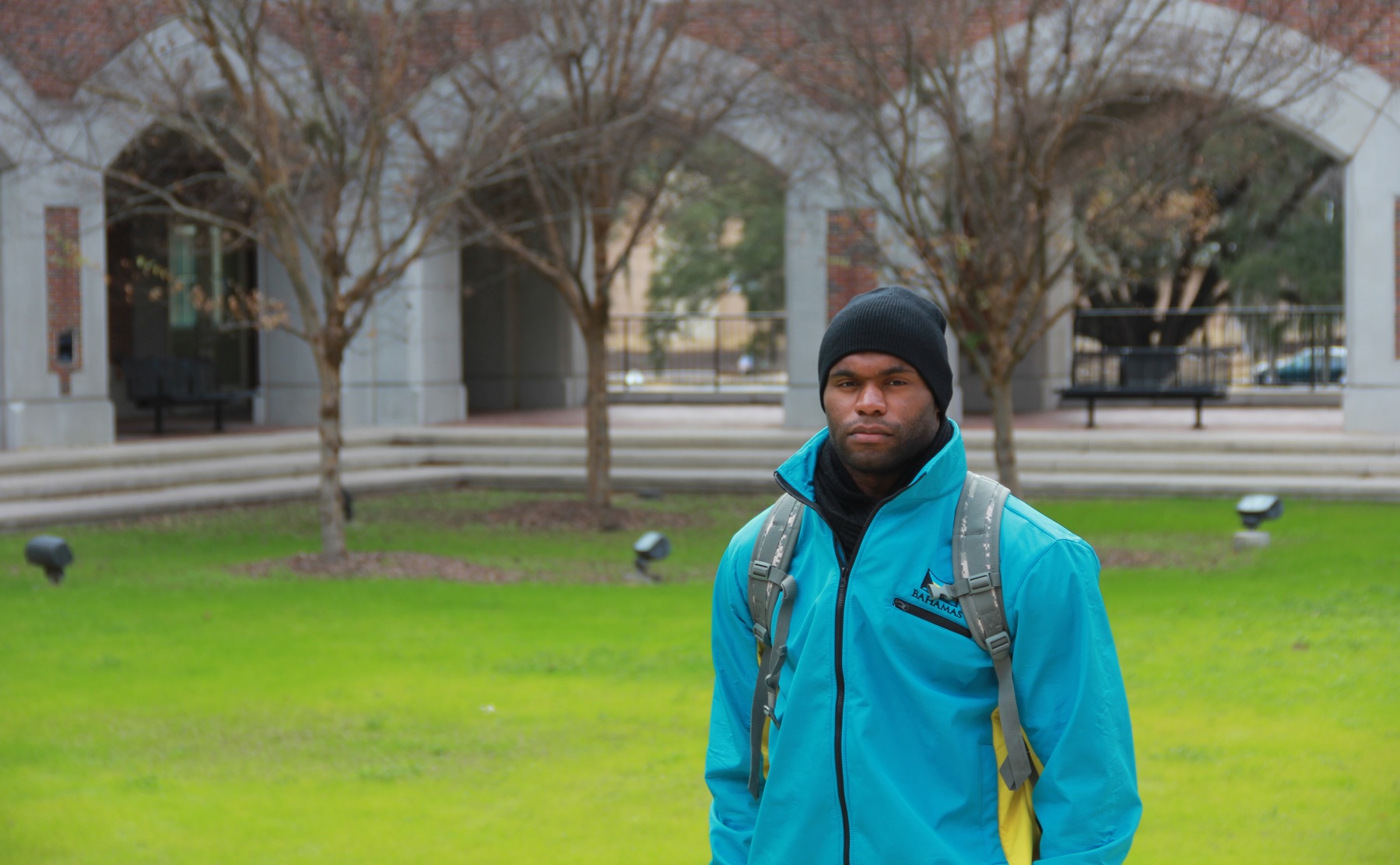
In a small study room in the student lounge of the Florida State University College of Medicine, Myron Rolle slumps in his chair behind a school-issued laptop, relaxing between classes. His athletic frame and broad shoulders extend beyond the screen in an aggressive annexation of airspace, creating a commanding presence. He cannot be ignored.
It has often been this way. When Rolle was 3 years old, he moved with his parents and four brothers from the Bahamas to Galloway Township, N.J. His father worked for Citibank and Myron grew up in a solidly middle-class home in a family devoted to achievement, education and love. As a promising student and athlete, Rolle accepted a scholarship to attend The Hun School of Princeton, a prestigious preparatory school, where he stood out on several levels. "There were maybe seven or eight black kids in the whole school, and all of us were athletes," he tells me. His dad would pick him up from school in a Ford Taurus while the other students would climb into their parents' Bentleys. On weekends, Rolle would be invited to yacht parties or to sit in floor seats at Knicks games. "Honestly, that situation was a little weird, adjusting to kids who had a lot of money. I never really felt like I was around people who are like me."
He received scholarship offers almost daily, culminating in an astonishing 83 invitations to play Division I football.
Nevertheless, Rolle thrived at Hun. He had a 4.0 GPA and accumulated 21 Advanced Placement credits toward his college education. He played the saxophone and starred in the school's production of "Fiddler on the Roof." And in 2005, at the peak of college recruitment season, he received scholarship offers almost daily, culminating in an astonishing 83 invitations to play Division I football.
Unlike many top recruits, Rolle didn't choose his college based on which coach told him he'd be a first-round pick or other frivolities. Since he was a boy, he had always been fascinated with the nervous system, particularly the brain, awed by its power. Myron had already decided that after football he wanted to become a neurosurgeon and had to put himself in position to excel both academically and athletically. "I wanted to look for a school that I enjoyed watching [play football] first. But I wanted the school to accept all my AP credits. Also, do they have a medical school on campus?" When Rolle met Garrett Johnson, a Florida State University alum, champion shot putter and Rhodes Scholar, he found a school that demonstrated it had the capacity to allow him to do both. He graduated a semester early from Hun and started at Florida State in January of 2006.
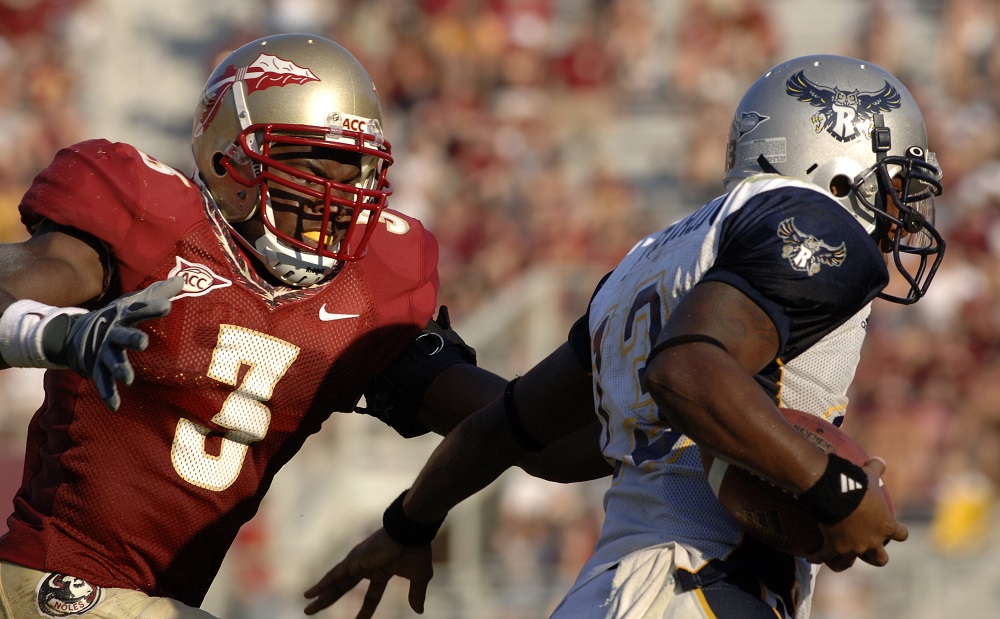
During workouts the next summer for the Seminole football team, Rolle didn't fit in. Many of his teammates came from difficult backgrounds, where their families had to choose between buying food and keeping the lights on. Now, Rolle had to adjust from having teammates with yachts to those who as kids regularly ate bread and mayonnaise for lunch. Even while at FSU, some players sent portions of their scholarship money home to help support their families. Since the dining plan covered only a certain number of meals, sometimes players were left with not enough to eat at the end of the week. Looking back, Rolle realizes he had no idea how to conduct himself around them, tucking his shirt, wearing glasses and using, as he puts it, "proper speech."
His teammates didn't see a football player, they saw a nerd, a square. "They thought I was soft," Rolle recalls. "A lot of them thought I was this little goody two-shoes kind of dude." Reflecting on the social dynamic, Rolle believes he was a prime target for the same kind of bullying and hazing that Jonathan Martin of the Miami Dolphins underwent in the NFL. Fortunately, FSU's strong leaders prevented such unchecked behavior.
But Rolle also recognizes that he had the responsibility to assert himself. As he wrote in a recent op-ed for The Guardian about the Martin incident, "I refused to have my self-worth depreciated." When asked Rolle how he earned his teammates' respect, he told a story that reminded me of something he said about the Martin situation. "If someone calls out your name ... then you need to check that."
At the conclusion of the workouts in the sweltering Florida heat, the coaches had players running 110-yard sprints. "We had got up to running thirty-two 110s," recalled Toddrick Verdell, Rolle's teammate at the time. Then, in a team building exercise, the coaches made a deal with the players. If two players agreed to box (while wearing proper safety equipment), the entire squad would run fewer 110s. As added motivation, whoever volunteered to box was allowed to select his opponent.
One day, as Rolle gasped for air, soaked in sweat, his legs limp as wet noodles after running about two dozen 110s, a coach yelled, "Anyone want to box?" Marcus Sims, a 233-pound, boulder-shaped halfback, volunteered to fight. When he called out "I want three," Rolle's number, everyone knew why. Sims wanted to find out what Rolle was made of.
So did the rest of the team, which responded en masse with a collective, playground-like "Ooooooooh," dramatizing the atmosphere of the showdown. As Verdell remembered "The upperclassmen are thinking he's this nerdy, prep-type smart guy, so they're thinking he's gonna get knocked out ‘cause Marcus is this strong, muscled big guy." It was a contest with almost mythic connotations: strong versus smart, big versus not-quite-as-big, the leader of the pack against the newcomer.
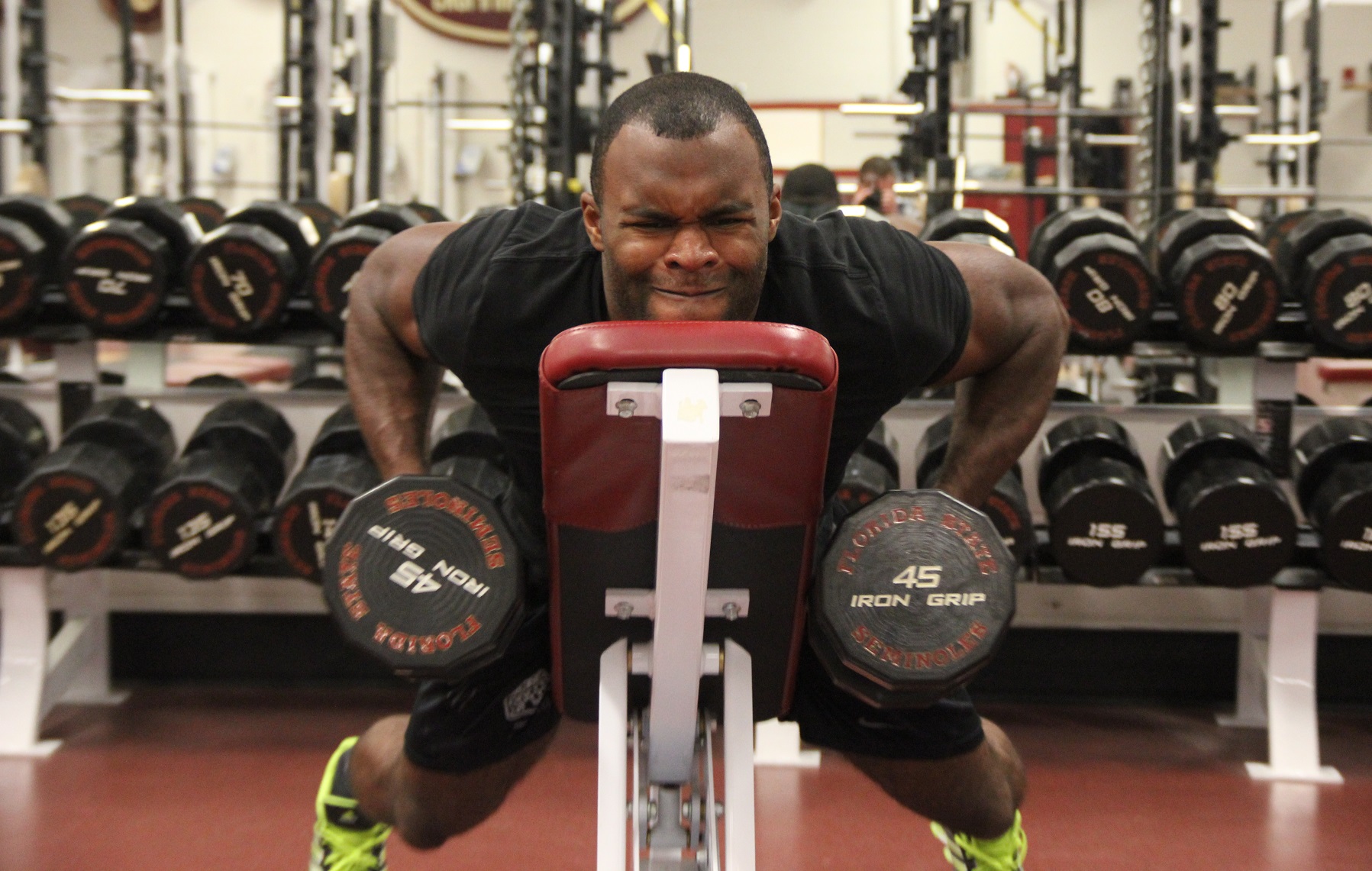
But Rolle had been anticipating this day and used his intelligence to design a plan. An inexperienced fighter, he prepared by watching clips of Muhammad Ali on YouTube, studying what made him an effective boxer. When Sims not only called out Myron's number, but said, directly, "I want to fight you," Myron was prepared. This was the day his teammates would learn that Myron Rolle, the Hun school grad with the tucked-in shirt and the heavy class load, was no nerd.
But Myron didn't just want to fit in with future NFL stars, he wanted to be one himself.
"He whooped his ass pretty good," Verdell chuckled.
"I killed him," Rolle matter-of-factly recalls. "That was like my testing, you know? My ritual. I had to pass a test." Rolle had first proven himself in a new country, then with the trust fund crowd and now a college locker room filled with future NFL players, demonstrating the ability to fit in with anyone. But Myron didn't just want to fit in with future NFL stars, he wanted to be one himself.
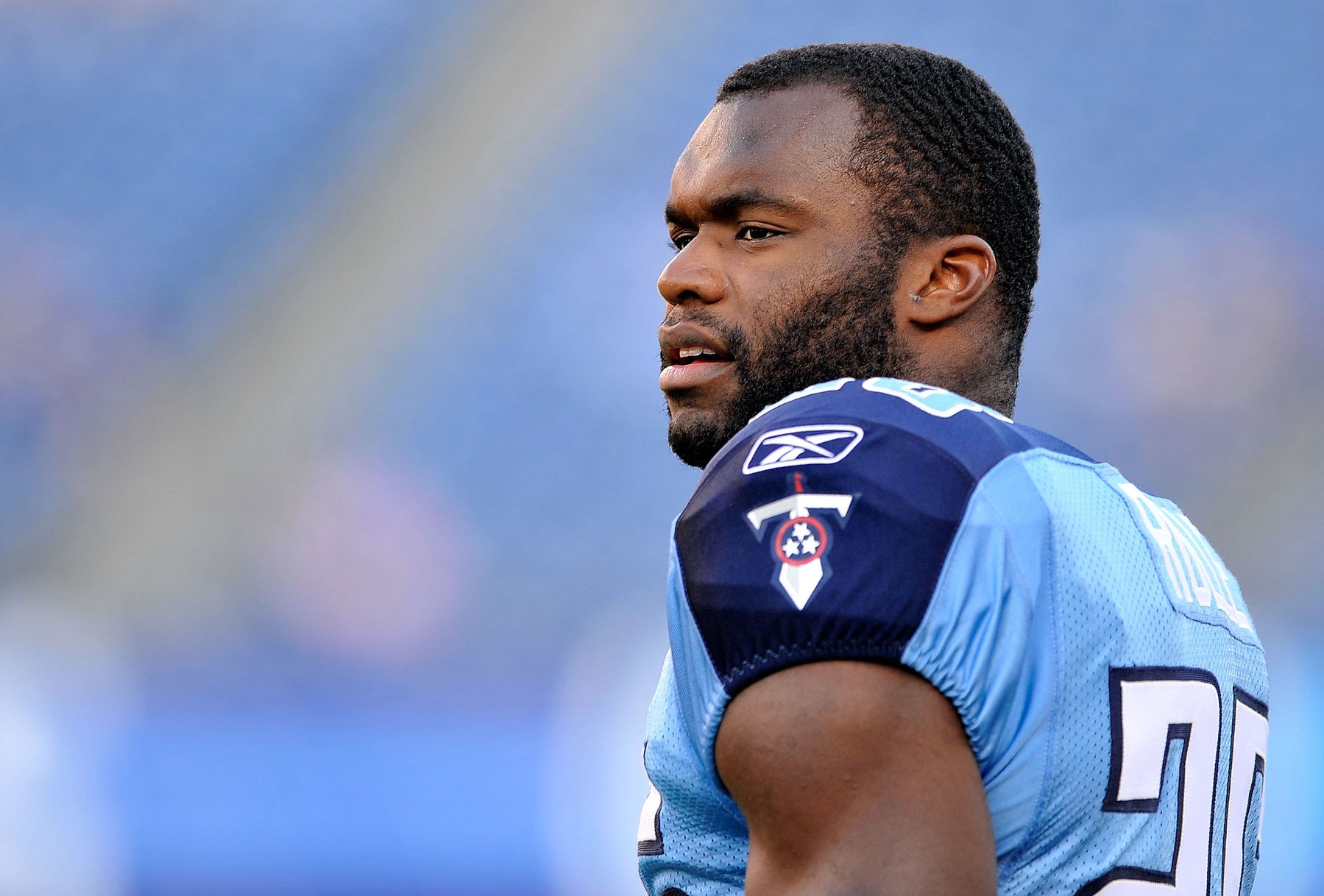
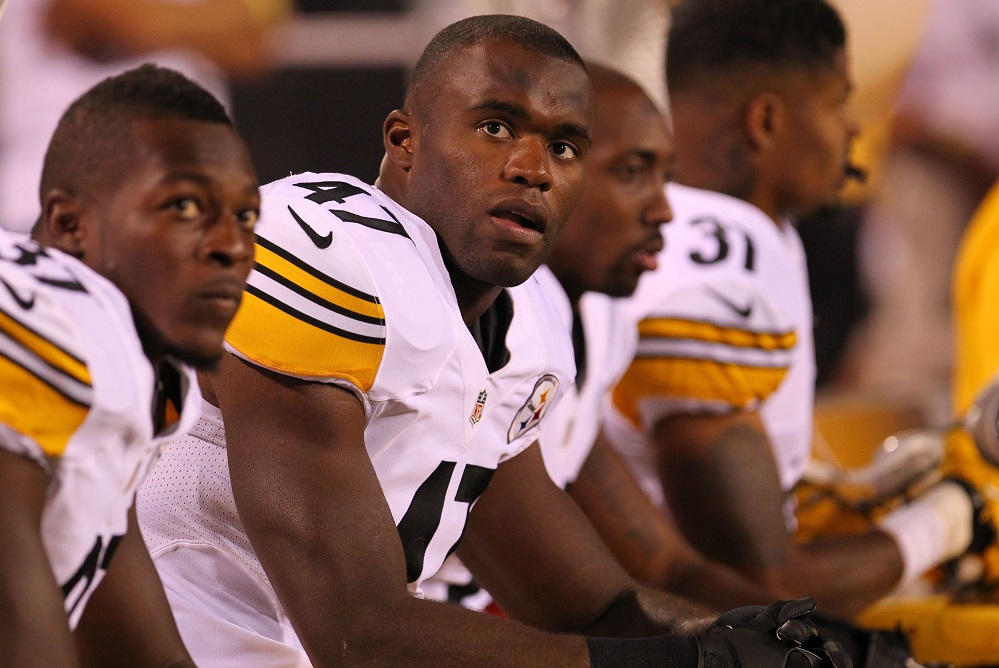
Throughout his college career, everything seemed on track for Rolle to achieve both of his career goals. As the Seminoles played their way into a bowl game every season, Rolle excelled academically, graduating from Florida State with a B.A. in exercise science in just two and a half years with a 3.75 GPA. Meanwhile, he was a three-year starter as a safety for the football team, and in 2008 was named a third-team All-American and second-team All-ACC. After the 2008 season, Scout.com projected Rolle as the 18th pick in the first round of the upcoming draft, and commented, "This might be way too low," calling him "a prototype NFL safety."
But with one year of eligibility remaining, Rolle, with the encouragement of university administrators and coaches, applied for a Rhodes Scholarship, one of the most prestigious academic opportunities in the world, providing full funding for a student to earn an advanced degree at the University of Oxford. Acceptance of the scholarship, however, would mean he would skip his final year of college football and delay the start of his NFL career. When he was named a Rhodes Scholar for the 2009-10 academic year, Rolle had a decision to make.
Coaches and academic mentors alike, aware of his NFL aspirations, had always insisted that Rolle develop a second career in case the NFL didn't work out. Turning down the Rhodes Scholarship would have been contrary both to that advice and to his own post-football career ambitions. Accepting the scholarship was, in effect, a "no-brainer." Yet while everyone else encouraged him to have a "Plan B," the NFL did not. In the NFL, what others saw as wisdom was seen as weakness.