This is the tale of a team you don't care about.
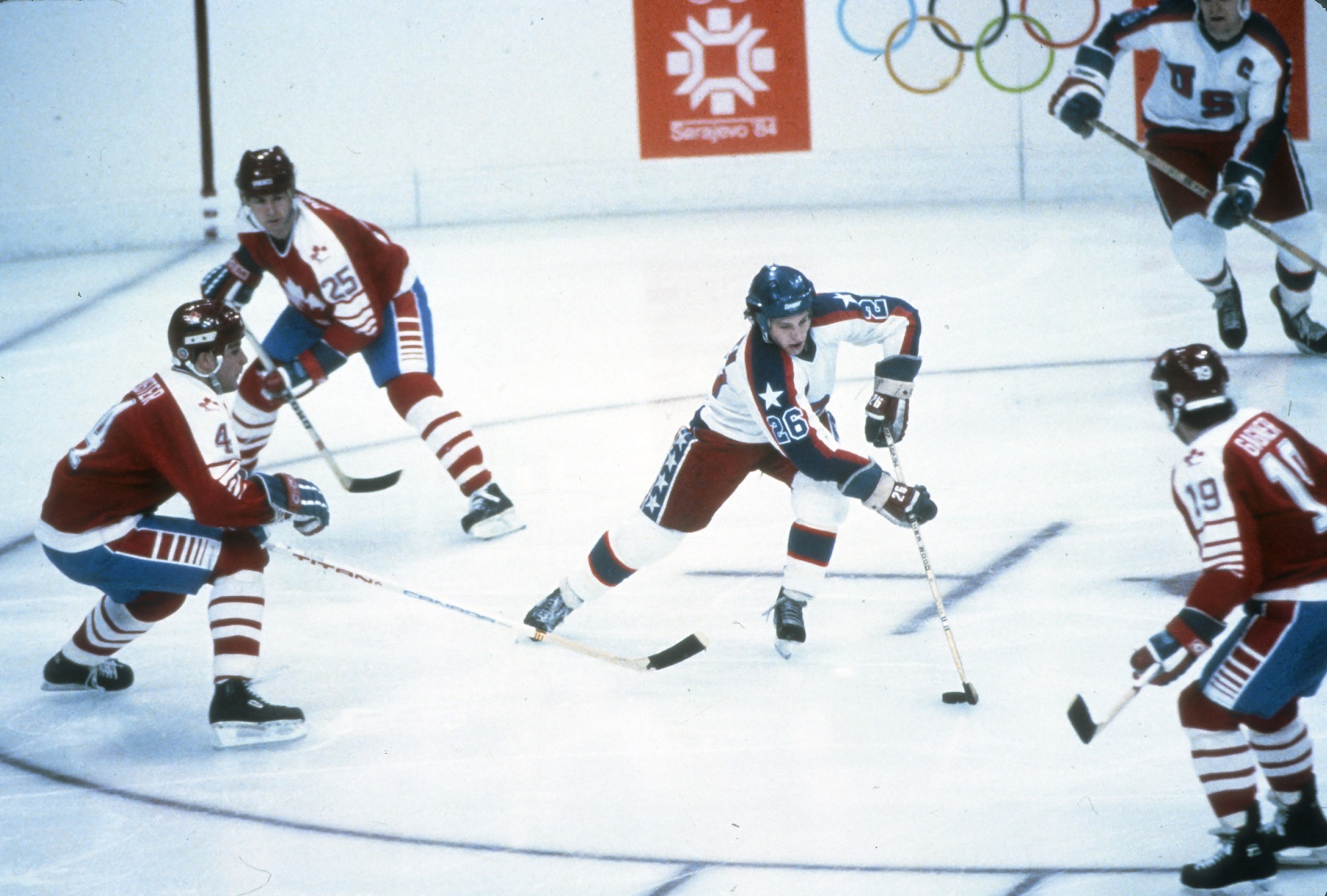
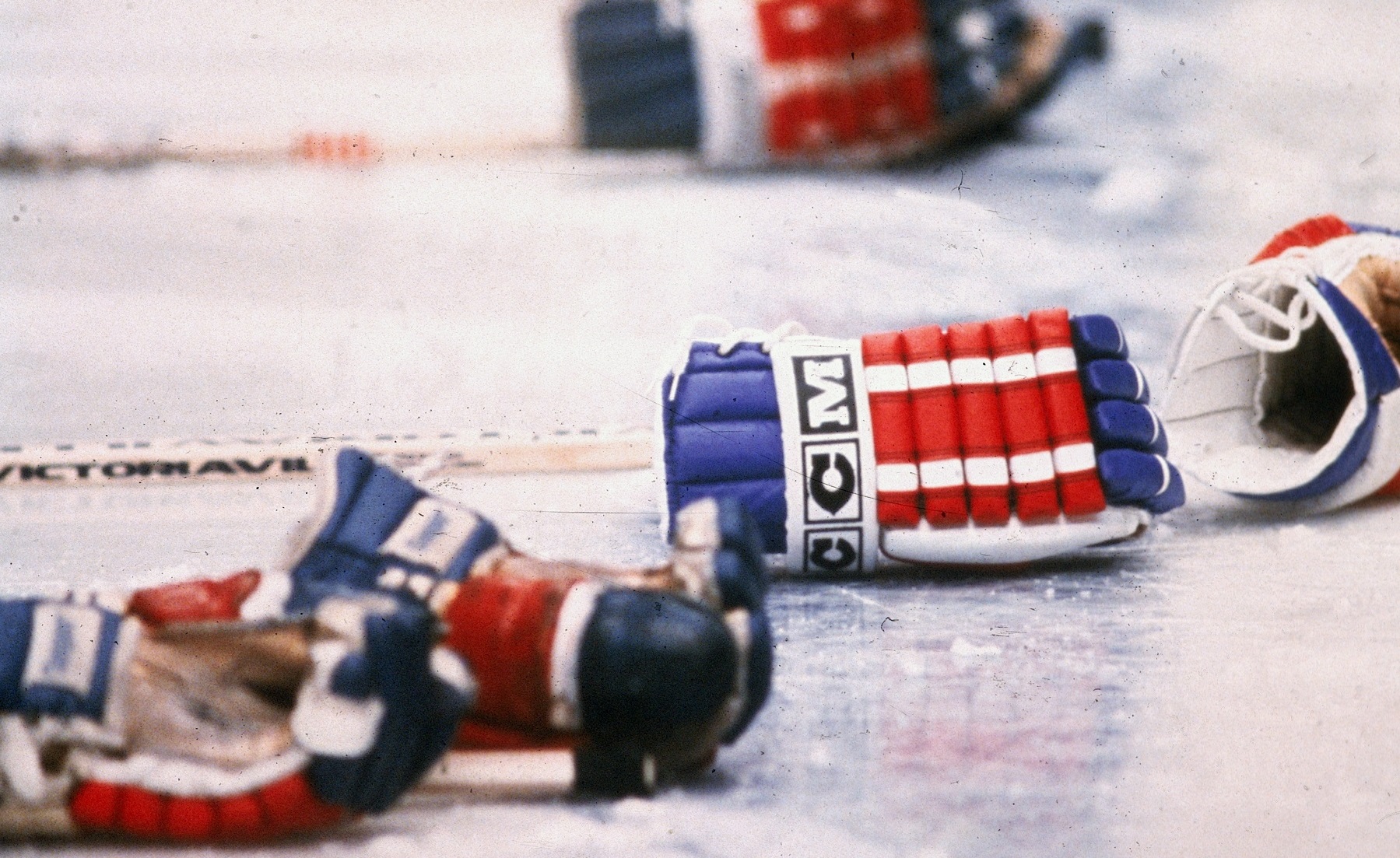
Admittedly, it's an unconventional way to kick off a story. But the sentiment is true. Unless you're some sort of hockey savant, and your walls are covered by posters featuring the likenesses of David Volek and Jim Dowd and Guy Carbonneau, you haven't given a thought to this topic since Feb. 15, 1984, the day the United States Olympic team wrapped up an absolutely miserable run of seventh-place sub-adequacy at the XIV Winter Games in Sarajevo.
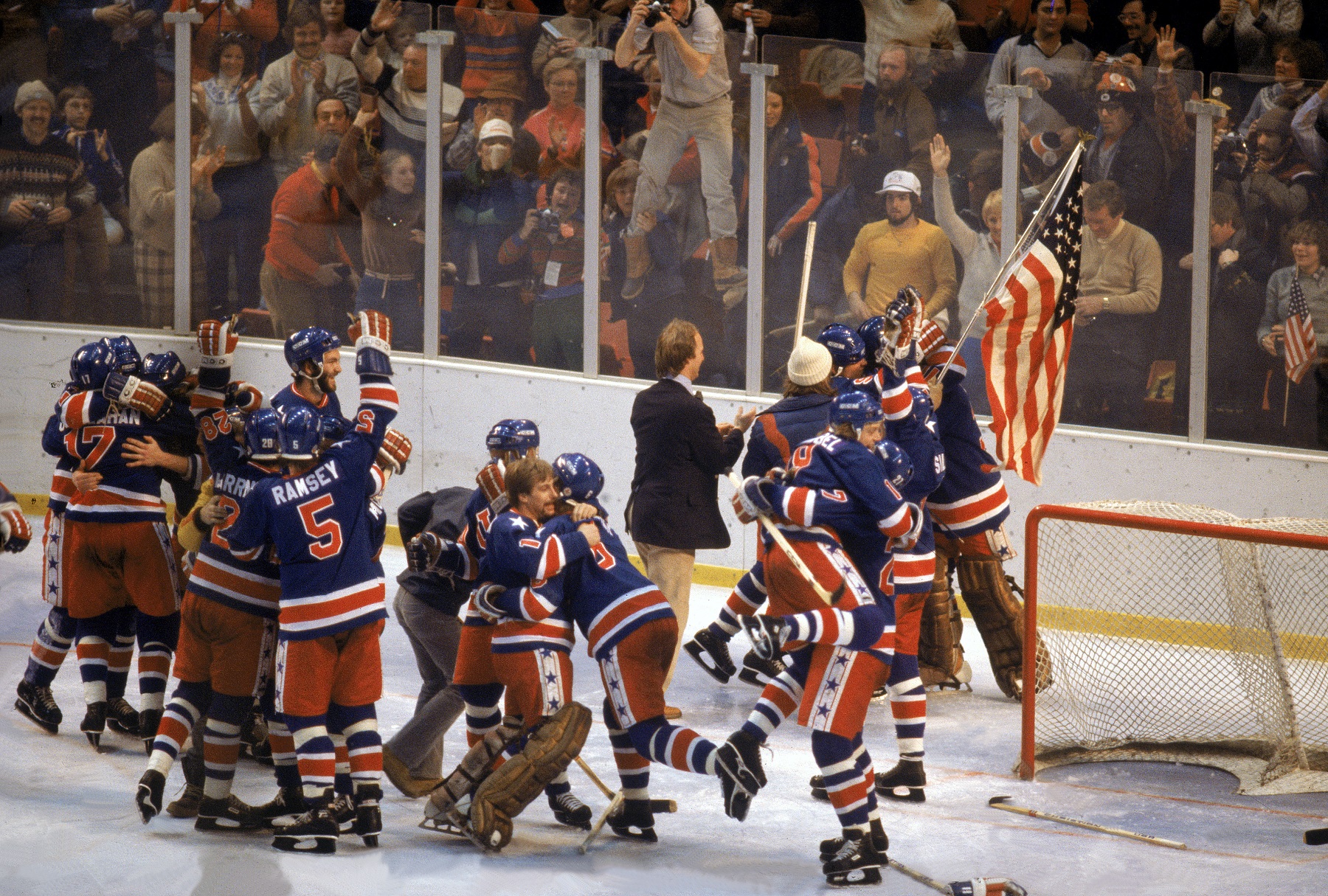
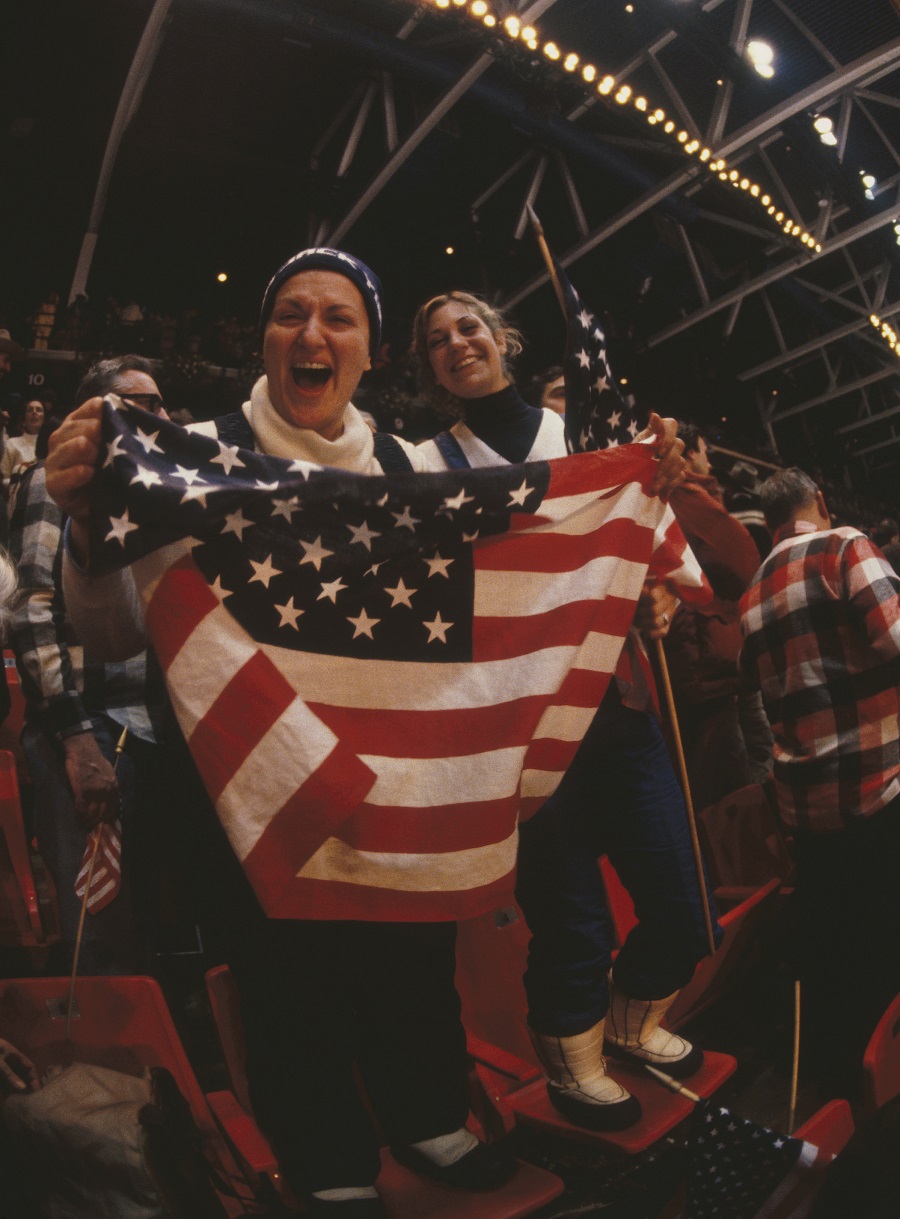
Oh, millions upon millions of Americans still recall the glorious 1980 Miracle on Ice, when a ragamuffin band of overachievers shocked the mighty Soviet Union (and then Finland) to capture the gold at Lake Placid. Go ask Grandpa if he remembers where he was when Al Michaels bellowed his gilded, "Do you believe in miracles? Yes!" Go ask Dad. Mom. Aunt Leah. They'll all be able to recollect something. A moment. A feeling. A sensation. A state of sustained euphoria. A fluttering flag. Tears of joy. Squeals of delight ...
But 1984? "Nothing," says Lou Vairo. "Most people remember nothing. I get it."
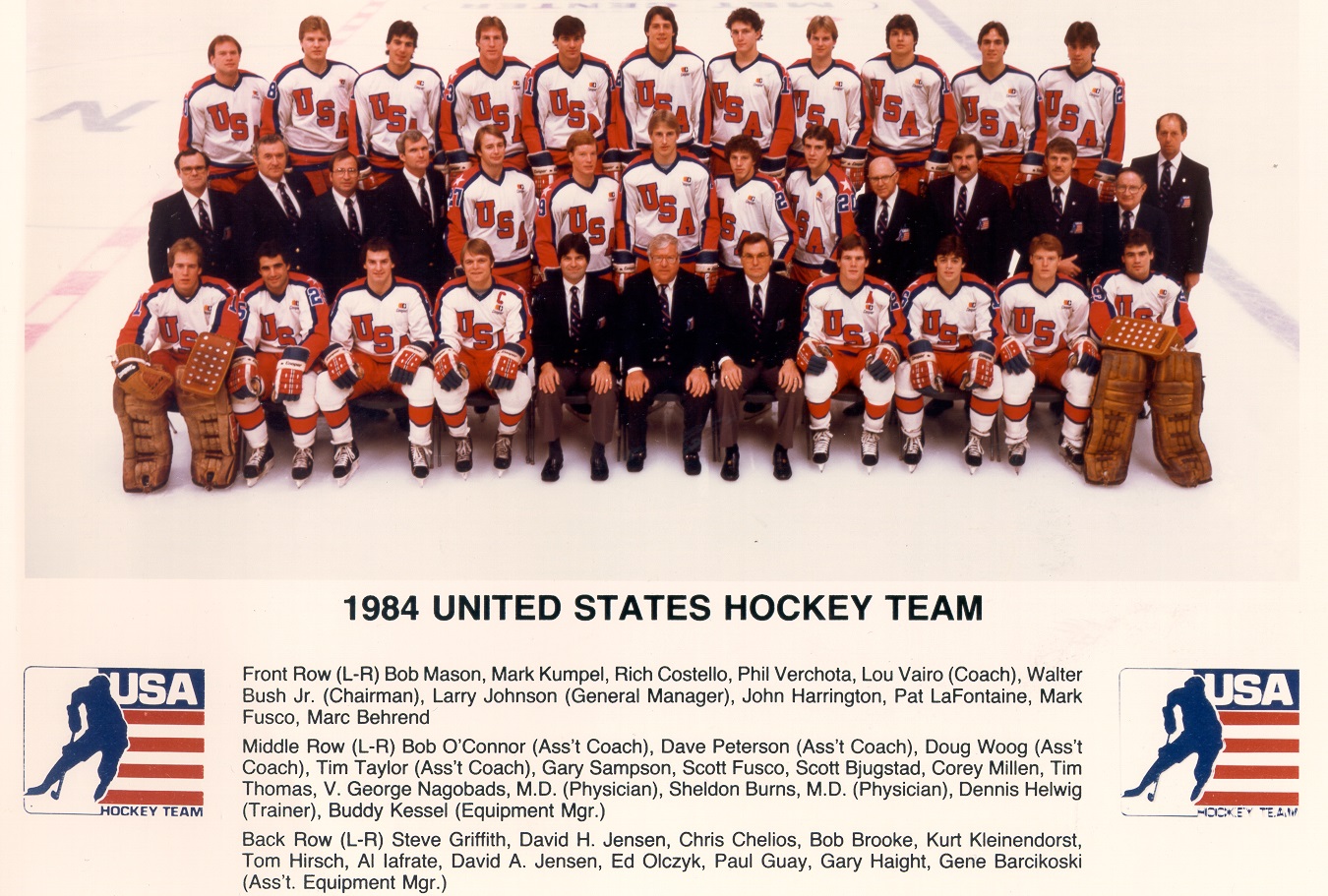
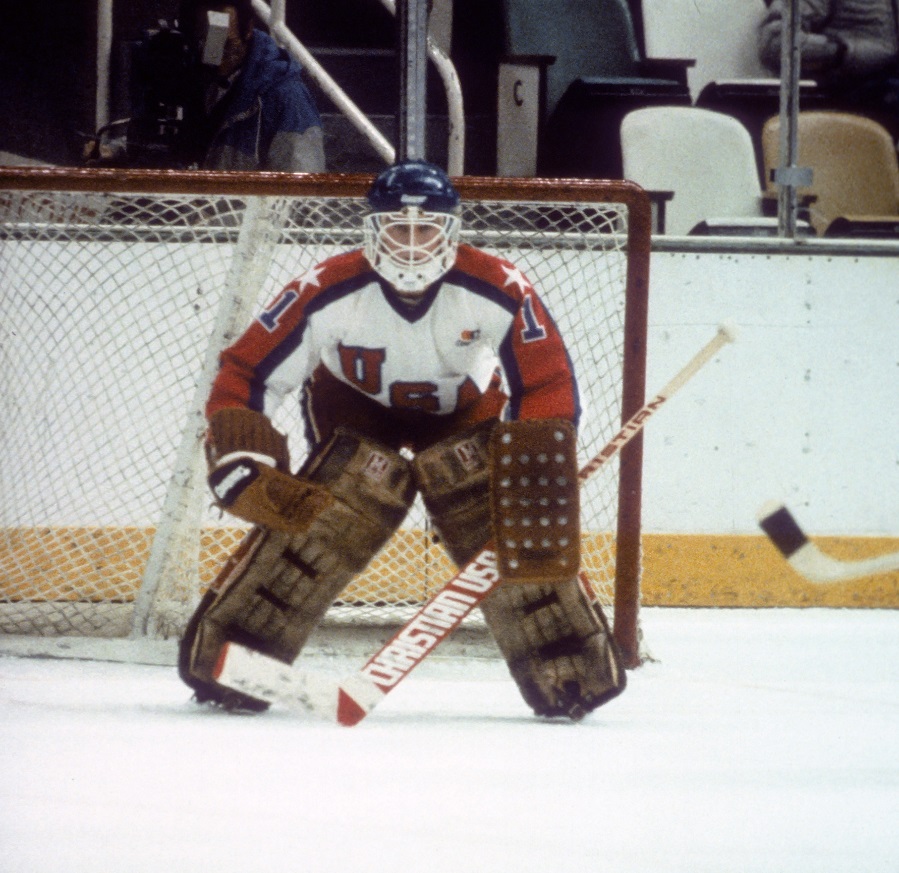
The words are stated without a sigh or even the slightest hint of remorse. They are simply a fact, in the same way the sky is blue and the rain is wet. Four years after Jim Craig and Mike Eruzione and Herb Brooks became household names, Vairo — perhaps the most unlikely head coach in the history of unlikely head coaches — guided the youngest team in U.S. Olympic hockey history (average age: 20.7 years old) on a quest to defend the un-defendable. "First off, we only had two guys on our roster who played in 1980, so we weren't actually defending our gold medal," says Vairo. "And second, it was an impossible task. What the 1980 team did was unmatchable. They shocked the world, they beat the Soviets during the hostage crisis, and they did it on American soil at Lake Placid. There was no possible way we could match that. Impossible."
"It was an impossible task. What the 1980 team did was unmatchable."
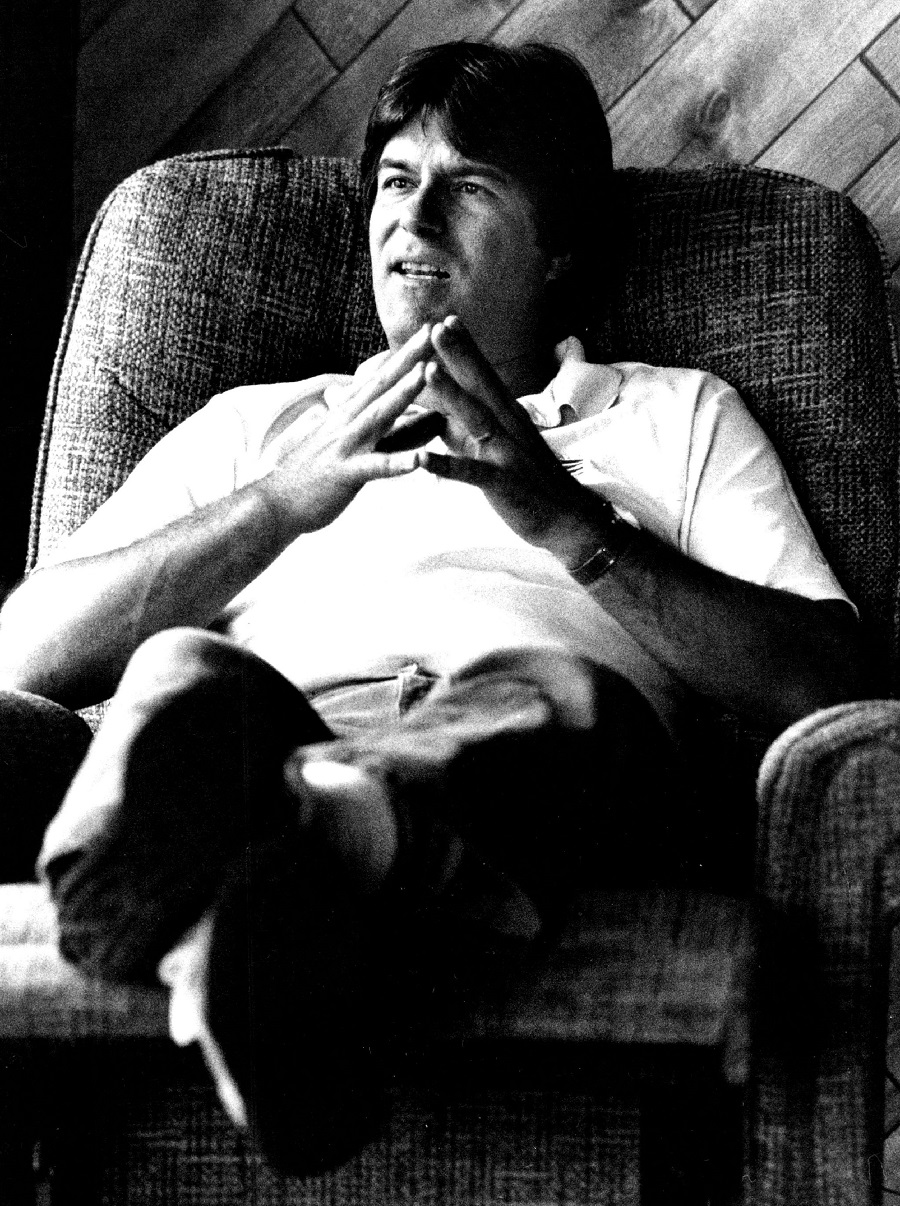 Head coach Lou Vairo in 1984. (Getty Images)
The sentiment makes sense. The sentiment has always made sense. And yet, no matter how many times Vairo uttered such thoughts (and he uttered them repeatedly), nobody seemed to care. From the day he was hired (June 12, 1982, to be exact) to fill Brooks' Bob Lanier-sized shoes, Vairo told anyone who would listen that 1984 was not — under any possible terms — 1980. "How can you replicate that magic?" he says. "You can't."
That's not, however, what people wanted to hear. Before the Lake Placid Games, hockey in the United States was an Off-Broadway production, often played before half-empty stadiums and covered on page C6 of the sports section. It was a sport, but with the exception of a few cities, such as Boston, not one that registered on the radars of most Americans. "Then the 1980 Olympics happened," says Larry Johnson, the general manager of the 1984 team, "and people began to care." It wasn't merely about the hockey, or even mostly about the hockey. The Miracle on Ice came to symbolize patriotism, and the spirit and willingness of a nation devoted to freedom and liberty, and how a group of plucky amateurs, utter underdogs, could defeat a monstrous, militaristic dictatorship, seemingly through will alone. The game against the Soviets happened while 52 Americans were being held hostage in Iran, and emotions were bubbling over. There was a beauty in toppling the U.S.S.R. in its own sport; in watching "our boys" play with passion and spirit and panache. As soon as the Games ended, and the 19 other members of the Miracle team joined Eruzione on the gold-medal platform, the national hunger kicked in for more. More hockey. More glory. More joy. More miracles.
Enter: Vairo.
He made no sense. Absolutely none. Herb Brooks, coach of the 1980 squad, had been born in the hockey hotbed of Saint Paul, Minn., and between 1960 and 1970 played on eight U.S. National and Olympic teams. He coached the University of Minnesota to three NCAA titles. Bob Johnson, the coach of the 1976 U.S. Olympic team, was also born in Minnesota, and guided the University of Wisconsin to three NCAA crowns. Murray Williamson, the coach of the 1968 and 1972 U.S. Olympic teams, was born in Winnipeg, and starred as an All-American at the University of Minnesota before coaching the U.S. national teams in the World Hockey Championships for three years.
Vairo? He was a 37-year-old Joe Schmoe from — inexplicably — Brooklyn, N.Y.; one whose accent oozed B&G Pickles with a side of slaw. Hell, he had never even laced up a pair of ice skates until shortly after his 21st birthday. Growing up in the Bayview Housing Projects in the borough's Canarsie section, Vairo fancied himself a future member of the Brooklyn Dodgers. On hot summer days he would wake up at 6 a.m., head over to a vacant lot, kick away the glass shards and sprinkle flour to create baselines. "Man, I loved baseball and stickball," he says. "Just loved them."
When the Dodgers departed in 1957, however, the nearest professional sporting venue became Madison Square Garden — home of the NHL Rangers. "We'd take the No. 42 Rockaway Parkway bus and transfer to the Canarsie Line subway," Vairo once told The New York Times. "We'd take the subway to 14th Street and transfer to the uptown line and get off at 50th Street, at the Garden. Carfare was 15 cents each way. Then for 50 cents we could use our G.O. card from school to get into the side balcony, but we had to get in line early. My parents would give me a dollar, so that left a dime for a soda." Vairo still remembers attending his first game. New York beat Boston, 4-2. Don Head, the Bruins goaltender, slashed at any opponent who dared skate past. "Hockey had an excitement to it that captured my imagination," he says. "There was no boredom to it. It had a combative excitement."
A local exterminator named Ed Eskanazi introduced Vairo to roller hockey, and he purchased his first stick for 75 cents, then put friction tape on the handle. He spent two years in the Army, and when he returned to Brooklyn at age 20, a friend brought him out to the World's Fair ice rink in Flushing Meadows, Queens. He was roped into refereeing a game, but found himself holding onto the boards for dear life, his thin metal blades slipping out from beneath his feet. Still, there was an immediate bond between man and ice. Vairo began working as a fill-in coach for a midget team (he initially presumed all the players would be dwarves) and was surprised when Emile Francis, the Rangers coach at the time, allowed him to sit in during practices and take notes. "I learned a little about how and when to change lines and other stuff," he says. "And then I began reading up. Hockey changed from a hobby to a career."
His was a meteoric - and unprecedented - rise through the hockey ranks, one even Vairo would not have predicted.
In 1972, at age 27, Vairo used his life savings and a $3,500 bank loan to travel to the Soviet Union and attend a hockey seminar featuring the national team's coaches at the Institute of Sports and Culture. Over three and a half weeks, the kid from Brooklyn found himself eating, sleeping, dreaming and loving all things hockey. He felt a particular kinship with Anatoly Tarasov, the country's legendary coach who is often referred to as "the father of Russian Hockey," and gravitated toward the freewheeling, highflying European style of play Tarasov espoused. Back in the United States, Vairo coached junior teams in Brooklyn and the Bronx, and won multiple league championships and a state title. In 1975, itching to improve his hockey stock, he learned of a vacant coaching position with the Austin Mavericks, a Junior A team. Vairo was excited by the prospect of moving to Texas ... before learning Austin was Austin, Minnesota. For a whopping $4,000, he took the gig — then shocked everyone by guiding the team from worst to first in the U.S. Junior Hockey League. "I also drove the bus," he says proudly.
Vairo went on to spend five years as coaching program director for the Amateur Hockey Association of the United States (AHAUS). He also coached the American entries at the Junior World Championships between 1979 and 1982, and was an advance scout for Brooks in 1980. His was a meteoric — and unprecedented — rise through the hockey ranks, one even Vairo would not have predicted. "Not in a million years," he says.
When it came time for Walter Bush, the president of the U.S. Olympic Hockey Committee, to select a coach for the 1984 team, he possessed a long list of desired candidates. The first choice, Bob Johnson, decided to instead take the head job with the NHL's Calgary Flames. The second choice, Yale coach Tim Taylor, declined. "There were a bunch of terrific coaches with much more experience than I had, and they were approached," says Vairo. "They all came up with excuses — family, another commitment, school. Truth is, the real reason was simple: Who would want to follow? Talk about a thankless job ..."
When Bush broached the subject to Vairo, he, too, brushed it off. "Then one of my closest pals asked me, ‘When are you going to get a chance like this again?'" says Vairo. "I'm a patriot. I love America. I couldn't say no."