When it comes to the NFL Combine, the 40-yard dash is typically the headline event. Pure speed is one of the biggest draws, especially for casual observers to the draft process. Although it hasn't gained the notoriety of the 40-yard dash, the shuttle run is one of the most-important drills for some players.
NFL combine drills explained: Shuttle run
With the combine here, the draft process heats up in a big way for the NFL. The shuttle run will be one of the most important test for prospective NFL rookies.

Timothy T. Ludwig-USA TODAY Spor
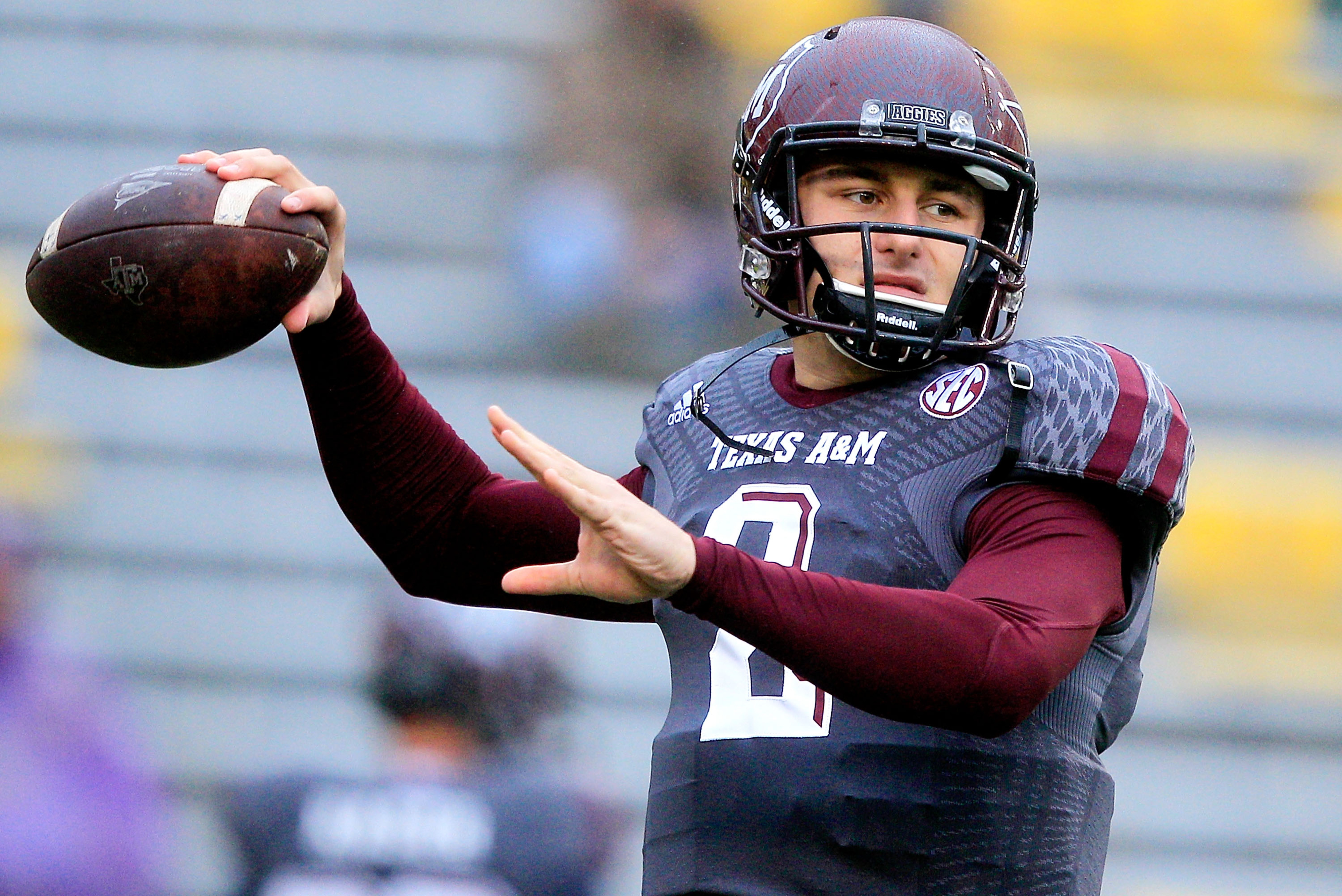
While the 40-yard dash is a test of long-speed, the shuttle run is designed to showcase a player’s explosiveness. The drill is relatively simple. The athlete starts in a three-point stance surrounded by a series of cones. When the whistle blows, the athlete sprints 5 yards to the right and touches the ground. He then shifts directions and sprints 10 yards to the left, again touching the ground. The athlete shifts directions a third time and sprints 5 yards back to the right, running through the line.
The drill is a solid test of lateral quickness, agility and the ability to change direction. Unlike the 40-yard dash, which just shows straight-line speed, the shuttle drill gives teams an indication of overall athleticism and explosiveness. Any results at 4.0 seconds or less are considered very good, with the top performers dipping into the 3.8-second range.
Some of the best runs over the years have been executed by defensive backs. San Francisco 49ers corner Carlos Rogers was moving through his shuttle run, setting a blistering pace of 3.82 seconds during the 2005 combine. Cornerback Desmond Trufant excelled in the drill last year, finishing with a time of 3.85 seconds. That performance helped boost his draft stock and he was eventually selected in the first round. Defensive backs, wide receivers and running backs often put up the best times. Quarterback Matt Scott was one of the leaders last year, clocking in at 3.99 seconds.
Historically, wide receivers have done well in the shuttle run. For wide receiver, the record is 3.88 seconds set by Austin Pettis in 2011. In 2013, T.J. Moe ran a 3.96-second short shuttle, while Tavon Austin was just a bit behind him with 4.01. Chris Rainey ran a 3.93-second shuttle in 2012, while Jeff Maehl ran a 3.94 in 2011.
See More:


